.png)
Why Some Dogs Seem to Forget Their Training
- Denise
- Apr 10, 2025
- 4 min read

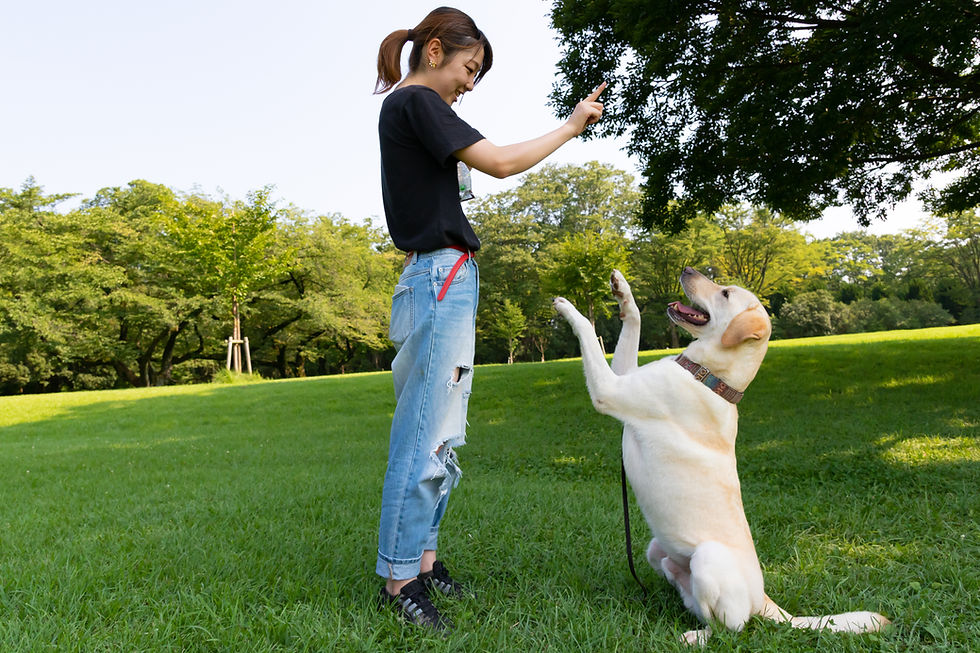
This week I want to talk about something I feel does not get talked about enough; the reason why some dogs seem to forget their training and cues over time or why their behaviors come back. In fact the answer is quit simple, but most people don't want to hear it. Training your dog is a life long commitment; that is, as long as your dog is in your life. Training doesn't stop just because you are no longer working with a trainer.
I've seen this time and time again where an owner will take their new puppy or dog to obedience classes (that typically last 6 weeks) and after the class is over, they still have a puppy or dog that doesn't listen, isn't potty trained, and still chewing on everything in sight. It's not because the trainer didn't do their job, most of the time, it's because the owner didn't follow through. Now don't get me wrong, I'm not blaming the owners in this matter. It's more complicated than that.
A lot of times, owners don't follow through, because they don't know how to, they are afraid to ask the trainer questions, it was too overwhelming being in a group class and they couldn't retain all of the information, or the trainer didn't properly explain to them what to expect in the long run. Group classes can be beneficial for a dog that is already trained, but a big reason I don't recommend group classes for training a puppy or newly adopted dog is because each dog is different: in the way they learn, behave, respond to different training techniques, etc.. When a trainer has 6+ dogs in a class, there is no way they can stay on top of every individual task for every dog and owner. Most times, there are only 10-15 minutes at the end of the group class for everyone to ask questions. It's not enough time.
I always recommend having private sessions first so the trainer can give you their full attention, adjust training as needed, and help you, the owner, stay on top of training at home. Even in group classes, it's the owner that does the training while the trainer teaches and shows you how to do it. It's still up to you, the owner, to follow through with the training that you learned during the session to prepare for the next session. After you have worked with your dog and learned how to properly handle them and teach them, then I suggest group classes that are focused on proper socialization (for puppies, but can be beneficial for adult dog's that are not reactive). I don't mean just letting the dog's run around and play, I mean continued training around other dogs with structured introductions and play.
Here's the thing, once the private sessions and/or group class is over, that doesn't mean you stop training your dog. Unless you are teaching them a new trick or behavior, you shouldn't be rewarding them all the time for something they already know. You should be rewarding them periodically for the cues and behaviors they already know. Think about it this way, say when you were younger, you knew how to play an instrument, spoke a second language, or played sports. Now, lets say some time has passed and you stopped playing that instrument, speaking that language, and playing that sport. What happened to your skills? You most likely aren't very proficient in that area anymore. Dog's are the same way. If you completely stop working on and stop rewarding them periodically for a skill they learned, they will forget about it. Not because they didn't actually learn it, because you aren't actively practicing it with them and they learned it's not something they need to remember.
You don't have to practice behaviors and cues your dog already knows every day, but it's important to practice them periodically throughout their lives, as well as anytime you introduce your dog to something new. This includes moving to a new home, meeting a new person in your life, visiting a new park, anything that is new to them. Dogs suck at generalizing things, so it's up to us to teach them. Training doesn't stop just because the class is over. The more you work on something with your dog, the better they will be at it. Same goes for you, the more you work on something, the better you will be at it.
For some reason humans have this tendency to think dogs should just know what we want from them, or just know how to do something. However, if you were never taught how to play the piano, wouldn't it be ridiculous if someone expected you to know how to play it just because they want you to play it? The answer is yes, it would be ridiculous. It's not fair to a dog to put such high expectations on your dog if you aren't willing to put in the work to teach them how you want them to behave.
If you enjoyed readying this post, subscribe below, and don't forget to share with your friends and family. Happy Training!


Comments